Can Your Car’s Color Affect Your Chances of Being in a Crash?
Car color impacts how fast other drivers see your vehicle on the road. Some colors jump out in almost any environment, while others disappear into the background and reduce reaction times.
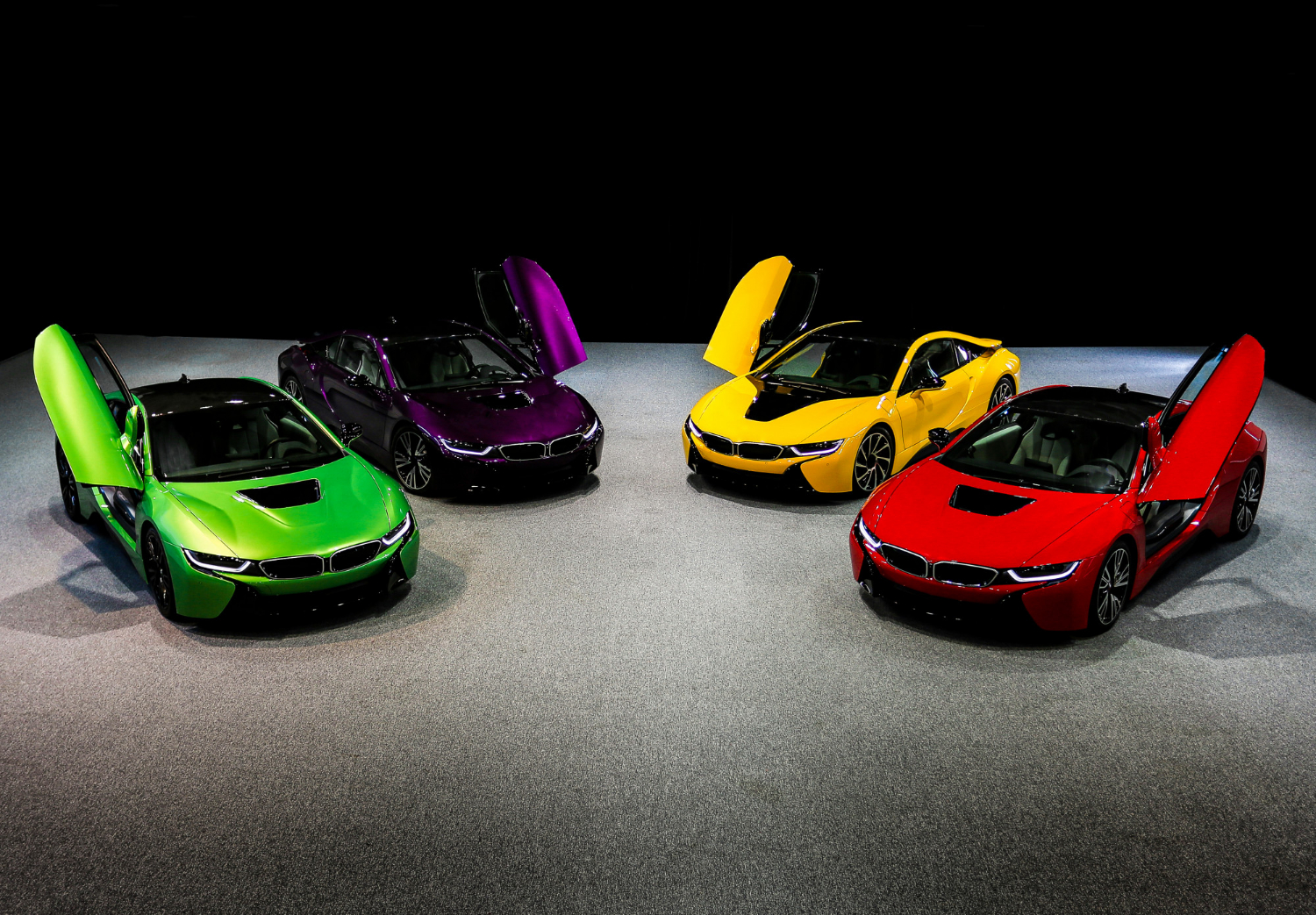
How Car Color Affects Visibility
Visibility depends on contrast. When a vehicle blends into the road, drivers cannot register it quickly, especially during lane changes, merges, or unprotected turns. Black, grey, and deep blue are colors that often blend into pavement, building shadows, or at night. Conversely, light or strong shades have greater contrast. They remain visible in dim places, bright sun, or heavy traffic. Visibility issues become increasingly apparent at dawn, dusk, or in shadowed road segments, where muted colors merge with the background more quickly than drivers realize.What Research Says About Crash Rates and High-Risk Car Colors
Bright and Light-Colored Cars Are Easier to See
Light colors reflect more light and allow drivers to quickly recognize these visual cues. White sticks out in nearly every context, which is why it often ends up as one of the safest color preferences. Yellow and orange also catch the eye quickly since the human eye tends to immediately see warm hues. A bright red tone is generally best against both natural and urban terrain, as it serves as a harsh contrast.Weather, Lighting, and Environment: The Effect of Color On Safety
Changes in the weather can affect visibility on the road almost instantly. Fog, rain, and snow affect virtually every hue on the spectrum. Dark cars look almost invisible in heavy rain, and silver or grey cars disappear into the overcast sky and wet ground. Lighting conditions aren’t less important. Streetlights, headlights, and reflective signs influence the play of colors at night. In underlit roads, the problem is compounded, making dark-colored cars invisible. The cityscape introduces a new dimension: the shadows from tall buildings and glass distort color contrast during the day. Color alone isn’t enough to help prevent accidents, but it does impact visibility and plays a role in accidents.Other Factors That Affect Accidents
It’s not paint that has a huge impact, but other factors like driver attention, lane discipline, speed management, and vehicle maintenance impact the results too. Even the brightest car could get in an accident if headlights fade, mirrors remain dirty, or the driver just drifts through traffic oblivious to it. Safety technology, like lane assist, blind spot monitoring, and automatic braking, vastly reduces the risk of accidents, whether your car is black or white. Road awareness remains the most effective way to combat crashes.Conclusion
Your car's color makes others likely to recognize it, and some colors provide better visibility compared to others. However, overall safety depends on your driving habits, awareness, and the condition of your vehicle. Even better, awareness on the road makes more of a dent in reducing crash rates than any old paint code on a dealership lot.Key Takeaways
- Dark colors are more prevalent in crashes, due to their lower visibility. Bright or light cars are visible in different settings.
- The visibility of all colors is dramatically altered by weather and lighting.
- Driver behavior and safety technology matter more than color.
- Color affects detection, but habits affect long-term accident prevention.