How Plastic Welding is Making Cars Lighter and Stronger
1. Introduction
The automotive industry is experiencing an essential transformation because manufacturers require fuel-efficient vehicles combined with lower emissions along with safer transportation systems. The automotive industry's transformation depends heavily on plastic welding technology. In this article, we'll explore how plastic welding is making cars lighter and stronger, with a focus on plastic vibration welding and the innovative solutions offered by companies like Dizo.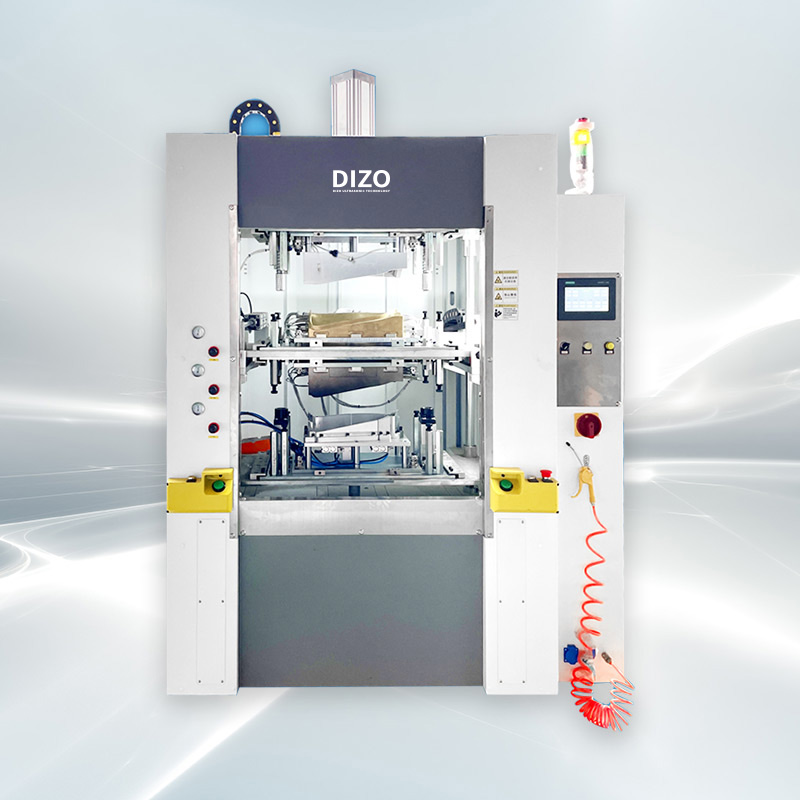
2. Why Plastic Welding Drives Lightweight Design in Modern Cars
Automobile producers currently use plastic elements to produce lighter vehicles which enhances vehicle efficiency. Lightweight yet durable components emerged from plastic welding processes, which eventually produced modern car models. Through plastic welding practices, manufacturers achieve shapes and combinations that would not be possible when employing regular metalworking practices.3. How Vibration Welding Enhances Body Rigidity
Vibration welding is a type of plastic vibration welding that uses friction to generate heat and melt the plastic. The welding method brings excellent results during the connection of big or complicated structural components such as dashboards and bumpers. The strong bonds formed during vibration welding make plastic components durable so they become more resistant to body damage during collisions.4. Plastic Welding's Role in Safety Tests
The automotive industry needs stronger crashworthy vehicles because safety regulations tighten up so car manufacturers work on enhancing vehicle vulnerability to collisions. Plastic vibration welding stands as an essential tool to achieve required safety standards through its creation of resistant components against impact. In crash tests, vehicles with plastic components welded using techniques like plastic vibration welding have demonstrated improved safety performance.Plastic Welding Techniques Used in Automotive Manufacturing
There are several plastic welding techniques used in automotive manufacturing which include:1. Ultrasonic Welding
Ultrasonic welding uses high-frequency vibrations to generate heat and melt the plastic. The ultrasonic process creates heat by producing high-frequency vibration which melts plastic material. This technique provides precise welding of miniature complex components because of its high precision capabilities. The automotive sector applies ultrasonic welding to produce assemblies which consist of dashboards and door panels.2. Laser Welding
Laser welding uses a laser beam to melt and fuse plastic components. Plastic components receive fusion through laser beam application. This technique provides outstanding precision alongside accurate results which makes it appropriate for welding intricate shapes. Automotive fuel tank production, along with lighting assembly creation, depends mainly on laser welding technology.3. Hot Plate Welding
Hot plate welding uses a heated plate to melt and fuse plastic components. Plastic components join by heating the plate until components fuse together.Hot plate welding matches the needs of working on extensive or intricate assemblies that require robust outcomes. Within the automotive industry hot plate welding finds extensive use for connecting bumpers and fuel tanks together.
4. Vibration Welding
Vibration Welding uses friction to generate heat and melt the plastic. Heat production through the friction effect enables the melting of plastic materials.The technique enables the welding of big and complex components that need to exhibit high strength levels. The automotive sector employs vibration welding to connect dashboards together with door panels.