Skateboard Architecture For Last Mile Electric Vehicles
The global market for last mile delivery vehicles is expected to grow by more than ten per cent by the end of this decade. One engineering innovation that is encouraging the adoption of EVs in this market segment is the introduction of skateboard architectures. Here, Roger Brereton, Head of Sales at commercial vehicle components manufacturer Pailton Engineering, introduces the key elements of the skateboard design and examines how it is particularly suited for last mile delivery vans.
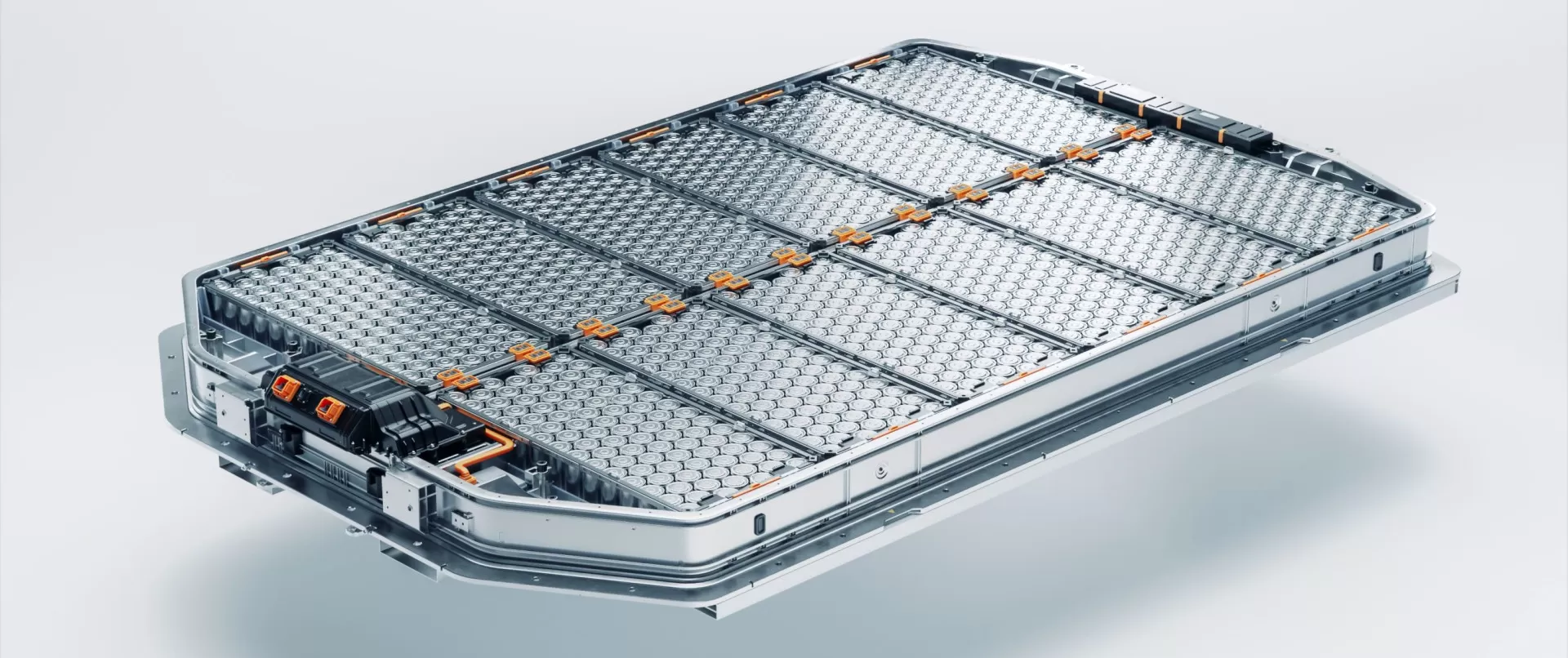
The skateboard architecture, or skateboard platform, originated with General Motors in the early 2000s. Although in this instance it was used for a fuel cell vehicle, the platform has now become increasingly popular for EV manufacturers such as Tesla and Ree.
At the heart of the skateboard architecture is a modular platform resembling a skateboard deck, upon which all major vehicle components are mounted. This includes the battery pack, electric motor(s), suspension, braking systems and other crucial elements. Proponents of the concept argue that by consolidating these components into a single, flat chassis, manufacturers gain significant flexibility in designing various vehicle types.
A key benefit of this approach is the potential scalability. The modular design allows manufacturers to easily adjust the size, shape and payload capacity of the vehicle, without the need for extensive retooling or redesigning. In the new lexicon of EV manufacturing, different ‘top hats’ can be implemented on top of the skateboard platform, depending on the purpose of the vehicle.
ArrayAlthough some have questioned whether this design offers the same level of torsional stability that alternative chassis designs can provide, others have pointed to the benefits of placing heavy components like batteries near the centre of the vehicle and low to the ground. This provides a lower centre of gravity and therefore improved vehicle dynamics.
Skateboard architectures can help to advance the transition to e-mobility by standardising key components and using electric powertrains. Furthermore, the modular design facilitates easier maintenance and updates. Service technicians can quickly access and replace individual components, minimising downtime for fleet operators and reducing maintenance expenses over a vehicle’s lifetime.