6 Things Every Driver Should Check Before a Race


Before you pull up to the grid, your car needs to be ready to handle the stress of intense acceleration, heavy braking, and sustained high speeds. Skipping pre-race checks is one of the most common reasons drivers retire early or, worse, cause a dangerous situation on track.
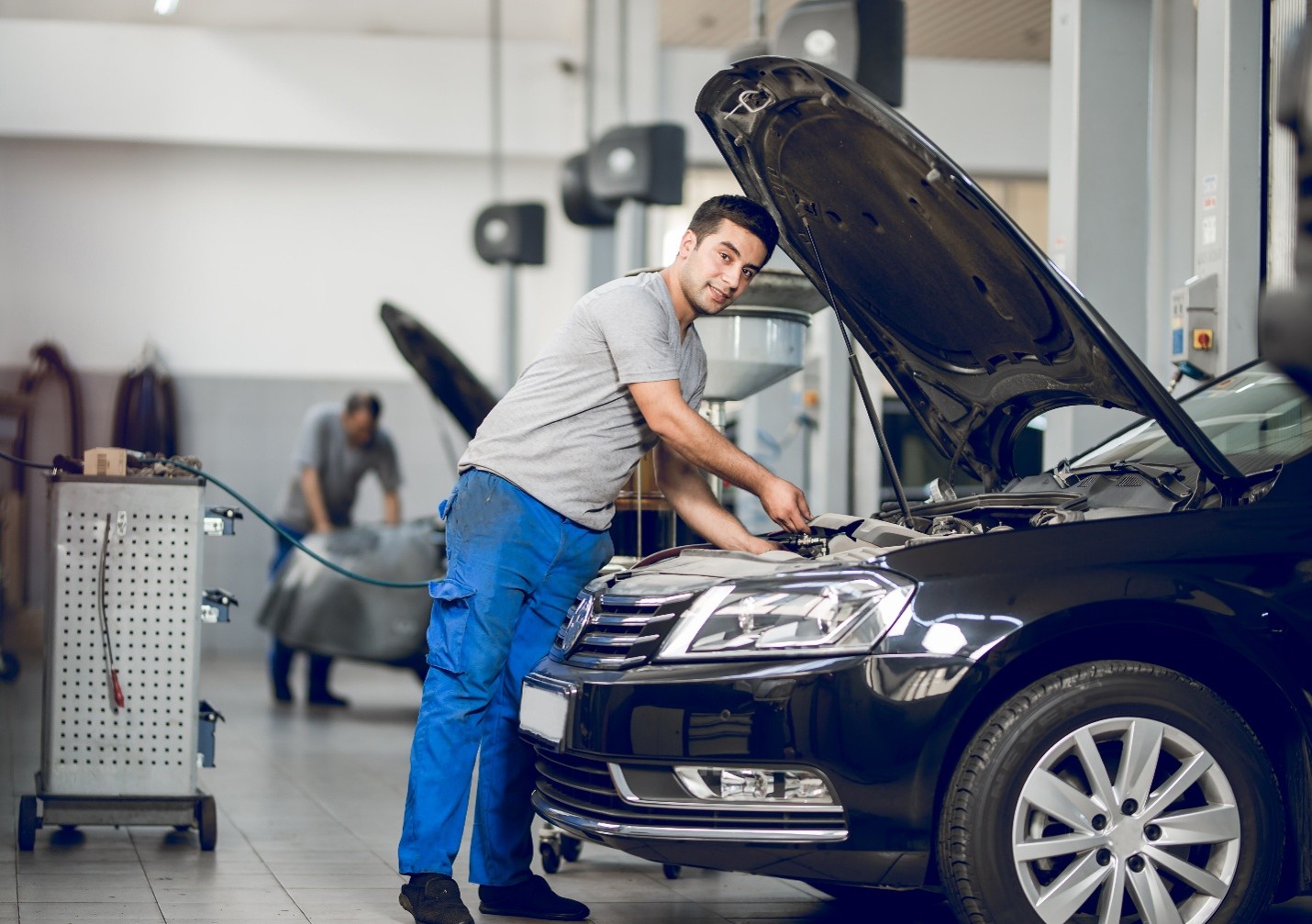
Image - Designed by Magnific
Atlanta, located in the state of Georgia in the southeastern United States, is a major metropolitan city known for its busy highways, growing population, and strong automotive culture. Atlanta's roads and highway traffic put real wear on vehicles well before race day arrives. Stop-and-go conditions on I-285 and I-75 accelerate brake fade and tire wear faster than most drivers expect.
Shops that specialize in race prep European cars Atlanta understand exactly how local driving conditions affect mechanical readiness before any track event. Below are the six things that every driver needs to check before a race.
1. Brake System
Your brakes are the most critical safety system on a race car. Hard repeated stops generate extreme heat that can boil brake fluid, warp rotors, and glaze pads. Check this before every race day without exception.
What to Inspect
- Pad thickness (minimum 3mm for track use)
- Rotor condition: look for deep scoring or heat cracks
- Brake fluid level and color (dark or murky fluid needs flushing)
- Caliper pistons for uneven retraction or leaks
2. Tire Condition and Pressure
Tires are your only contact with the track surface. A 5 PSI difference from corner to corner can cause serious handling issues at speed.
Check cold pressure before you load the car for transport. Set pressure according to the track surface and ambient temperature, not the door placard spec. Inspect sidewalls and tread blocks for cuts, bubbling, or abnormal wear patterns that suggest alignment or suspension problems.
3. Engine Oil and Coolant
Oil lubricates every moving part in the engine under high RPM and heat load. Running low by even a quart under race conditions can cause bearing failure or seizure.
Steps to Take
- Inspect oil level on a cold engine using the dipstick.
- Check oil color: black and gritty means it needs a change before the event.
- Test coolant concentration with a refractometer to confirm freeze and boil-over protection.
- Replace the coolant cap if it shows any signs of seal wear or pressure loss.
- Service the overflow reservoir and confirm it holds the correct level.
4. Wheel and Hub Hardware
Loose wheel nuts are a serious hazard on track. Vibration during a race can back off hardware that was never properly torqued.
Torque all wheel nuts to spec with a calibrated torque wrench, not just an impact gun. Check hub faces for cracks or rust buildup that prevents proper seating. Inspect wheel bearing play by grabbing each tire at 12 and 6 o'clock and checking for any movement.
5. Suspension and Steering
A worn tie rod or cracked control arm bushing that feels fine on the street becomes unpredictable at track speed.
What to Look For
- Play in the tie rod ends and ball joints
- Cracked or collapsed bushings at control arm mount points
- Shock absorber leaks or uneven rebound action
- Steering feel: any looseness or pulling under load
Shops specializing in European auto race prep in Atlanta commonly find that worn front suspension components are among the most overlooked issues on track-day vehicles brought in at the last minute.
6. Safety Equipment
Mechanical readiness only matters if the driver is protected. Safety gear and restraints degrade over time and need real inspection before each event.
Check your harness webbing for fraying, fading, or stitching separation. Confirm that the harness mounting points are solid and that the buckle releases cleanly. If your helmet is more than five years past its certification date, most track organizations will not allow it on the grid, regardless of its condition.
Key Takeaways
- Always check brakes, fluid level, and pad thickness before any track event.
- Set cold tire pressure based on track conditions, not street specs.
- Inspect oil and coolant on a cold engine the night before race day.
- Torque wheel nuts with a calibrated wrench, not only an impact gun.
- Worn suspension parts that feel acceptable on the street can fail under race loads.
- Safety harness webbing and helmet certification must be current before you enter the grid.
- Last-minute checks rushed at the track often miss issues that a proper shop walkthrough catches early.