How Commercial Vehicle Accident Claims Work in Atlanta


Commercial vehicle accident claims work by determining who was responsible for the crash, documenting the losses, and pursuing compensation through insurance claims or legal action. Because commercial vehicles are often owned, operated, and insured by different parties, these claims are usually more complex than standard car accident cases.
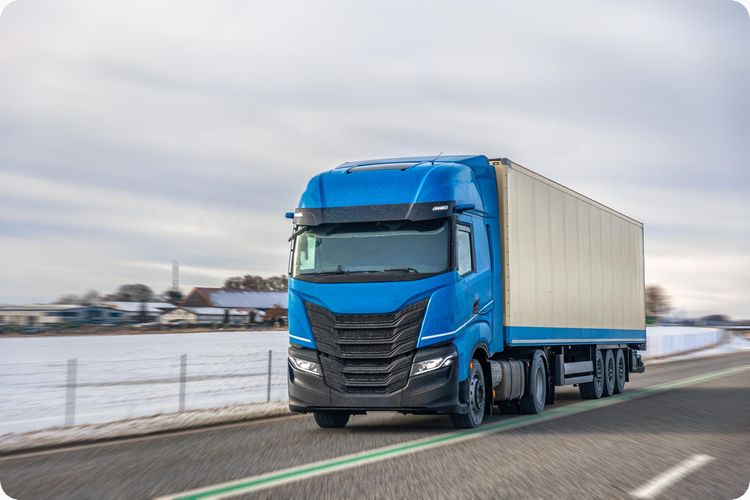
Image - Designed by Magnific
Atlanta is one of the busiest transportation hubs in the Southeast, with major freight routes such as Interstates 75, 85, and 285 carrying thousands of commercial vehicles every day. Heavy truck traffic increases the likelihood of serious collisions involving multiple parties and larger insurance policies.
Understanding what happens after a commercial vehicle accident is important because liability may extend beyond the driver. Trucking companies, maintenance contractors, cargo loaders, and insurers can all play a role in how a claim is investigated and resolved.
Who Can Be Held Responsible for a Commercial Vehicle Accident?
Unlike standard car accidents, commercial vehicle crashes may involve several potentially liable parties. The driver may be responsible if negligence, distraction, speeding, or fatigue contributed to the collision.
However, liability may also extend to the employer, vehicle owner, maintenance contractor, or cargo-loading company. Determining fault often requires reviewing company records, inspection reports, and driver logs.
The Federal Motor Carrier Safety Administration's Hours of Service regulations establish limits on how long commercial drivers can operate before taking mandatory breaks. Violations of these rules can become important evidence during a claim.
What Evidence Is Important in a Commercial Vehicle Claim?
Strong evidence is often the foundation of a successful claim. Investigators typically collect police reports, witness statements, photographs, vehicle damage records, and surveillance footage when available.
Commercial vehicles may also contain electronic logging devices, GPS records, maintenance histories, and onboard data systems. These records can provide valuable information about vehicle speed, driver activity, and compliance with safety regulations.
Because companies often begin their own investigations immediately after a crash, preserving evidence as early as possible is critical. This is one reason commercial vehicle claims are generally more complex than ordinary traffic accident cases.
How Does the Insurance Claims Process Work?
After a commercial vehicle accident is reported, insurance companies begin investigating the circumstances surrounding the crash. Commercial carriers usually maintain higher insurance limits than private drivers due to the increased risks associated with business operations.
Adjusters review evidence, assess damages, and evaluate liability before making settlement offers. Depending on the severity of the accident, claims may involve compensation for medical expenses, lost wages, property damage, rehabilitation costs, and future care needs.
What Challenges Can Delay a Claim?
Several factors can complicate a commercial vehicle accident claim. Disputes over liability, conflicting witness accounts, and questions regarding company responsibility often require additional investigation.
Insurance carriers may also argue that another driver contributed to the collision. Georgia follows a modified comparative negligence system, meaning compensation may be reduced if an injured party is found partially responsible for the accident.
As the investigation continues, documentation becomes increasingly important. Medical records, repair estimates, employment records, and expert evaluations often play a significant role in supporting a claim.
Why Is Early Action Important?
The period immediately following a commercial vehicle accident is often the most important stage of the claims process. Evidence can be lost, vehicles may be repaired, and witness memories can fade over time.
Prompt reporting, thorough documentation, and timely medical treatment help create a clear record of the incident and its impact. These steps can strengthen a claim and reduce disputes later in the process.
Understanding how commercial vehicle accident claims work allows victims to make informed decisions and better navigate the challenges that often arise after a serious crash.
Key Takeaways
- Commercial vehicle accident claims are typically more complex than standard car accident cases.
- Multiple parties, including drivers and employers, may share liability.
- Evidence such as driver logs, maintenance records, and electronic data can be critical.
- Federal safety regulations may play an important role in determining fault.
- Commercial insurance policies often involve higher coverage limits than personal auto policies.
- Liability disputes and extensive investigations can delay claim resolution.
- Acting quickly helps preserve evidence and strengthen a potential claim.